
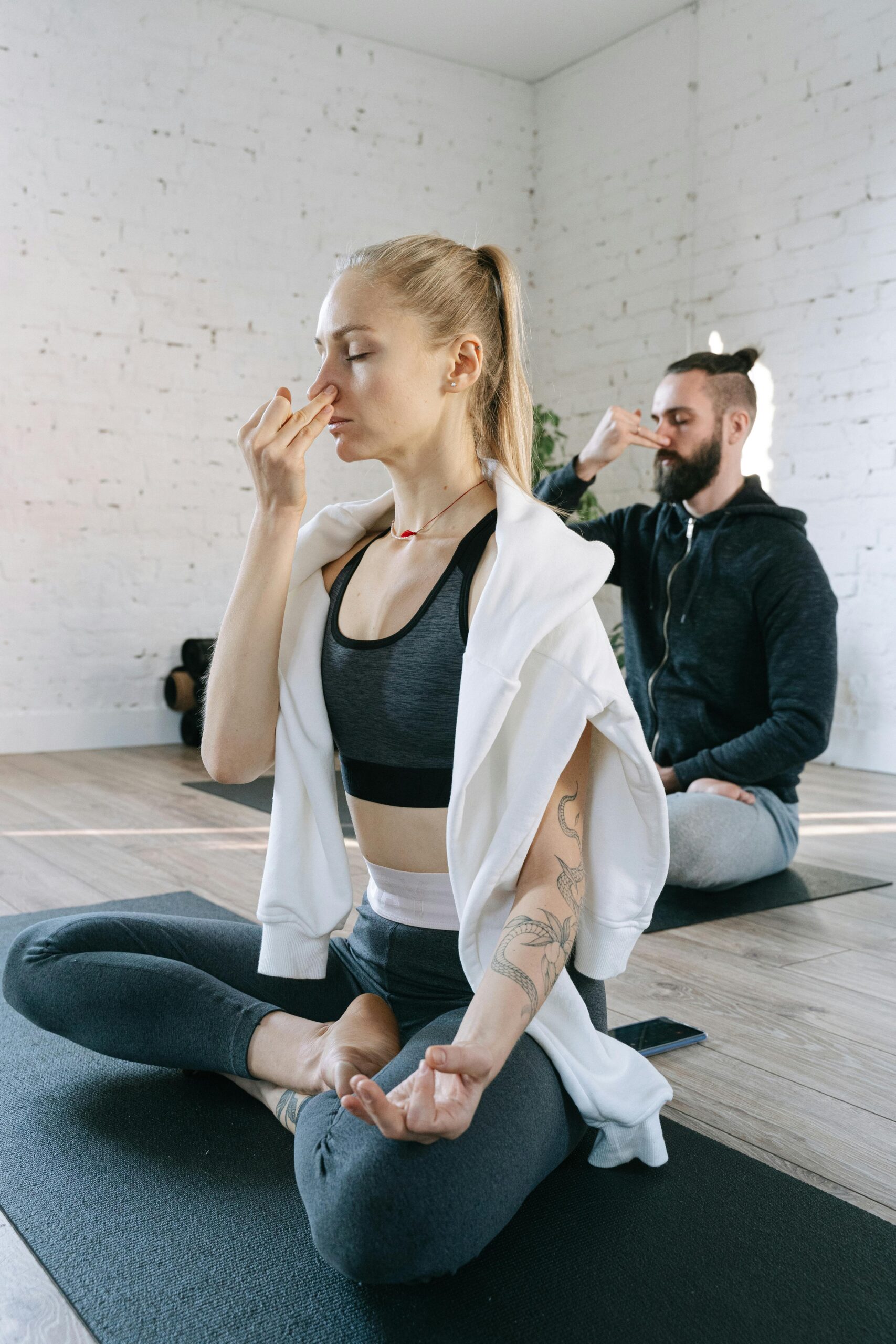
Introduction
Your inbox is full. Notifications keep stacking. Your brain is still replaying yesterday’s problems while today’s tasks pile up. In moments like this, breathing techniques for stress can feel almost too simple to matter — but research and real-world experience say otherwise.
Right now, stress isn’t just a “bad day” problem. It’s a chronic background signal for many people, especially in always-connected work and digital environments. That’s why interest in practical, fast, and free tools like breathwork has grown sharply over the past few years.
In this guide, you’ll learn how breathing techniques for stress work, which ones are most useful in real life, and how to actually use them when you’re busy — not just when you’re sitting quietly in a meditation app.
Key Takeaways: Breathing Techniques for Stress at a Glance
- Controlled breathing can help activate the body’s relaxation response
- Even 5–15 minutes per day can produce measurable stress improvements
- Consistency matters more than technique perfection
- Short “micro-sessions” work surprisingly well during busy days
- The best method is the one you’ll realistically use
Why Breathing Techniques for Stress Work (In Plain English)
Stress triggers your fight-or-flight response — raising heart rate, tightening muscles, and increasing stress hormones like cortisol.
Breathing is one of the fastest ways to send a “we’re safe” signal back to your nervous system.
Research consistently shows measurable effects:
- A systematic review found diaphragmatic breathing improved stress markers like cortisol and blood pressure.
- A review of 19 studies found many breathing interventions significantly improved stress and anxiety outcomes in adults.
- Some studies show breathing exercises can directly reduce stress hormone levels after practice sessions.
- In one recent trial, stress scores dropped significantly after four weeks of 15-minute daily breathing practice.
This doesn’t mean breathing replaces professional support or treatment. But as a daily stress-management tool, it’s low-risk, free, and accessible anywhere.
The 5 Most Practical Breathing Techniques for Stress
1. Box Breathing (Best for Immediate Calm + Focus)
How it works
- Inhale → 4 seconds
- Hold → 4 seconds
- Exhale → 4 seconds
- Hold → 4 seconds
Repeat for 4–8 cycles.
Why it matters
Box breathing helps regulate the nervous system and can quickly shift you out of stress mode. Some clinicians recommend it before sleep or high-pressure tasks because it promotes relaxation and emotional regulation.
Use this when
- Before meetings
- During travel stress
- Before presentations
Diaphragmatic (Belly) Breathing (Best for Baseline Stress Reduction)
How it works
- One hand on chest, one on stomach
- Inhale slowly through nose (stomach expands)
- Exhale slowly through mouth
Practice for 5–10 minutes.
Why it matters
This style directly activates the parasympathetic (“rest and digest”) system, helping lower physical stress responses and improve relaxation and concentration.
Use this when
- Morning reset
- After work decompression
- Before sleep
3. 4–7–8 Breathing (Best for Night Stress + Racing Thoughts)
How it works
- Inhale → 4 seconds
- Hold → 7 seconds
- Exhale → 8 seconds
Repeat 4 times.
Why it matters
Longer exhales help slow heart rate and signal safety to your brain — especially helpful for sleep-related stress.
4. Cyclic Sigh or Double Exhale Breathing (Best for Emotional Reset)
How it works
- Inhale through nose
- Short second inhale
- Long slow exhale through mouth
Repeat 5–10 times.
Why it matters
Some modern breathwork approaches show strong effects on emotional regulation and mood stabilization.
5. “Micro-Breathing” (Best for Busy Workdays)
How it works
- 3 slow breaths
- Exhale slightly longer than inhale
- Takes ~30 seconds
Why it matters
You don’t need long sessions to interrupt stress cycles. Small resets help prevent stress accumulation.
How to Choose the Right Breathing Technique for Stress
Use this quick decision guide:
| Situation | Try This |
|---|---|
| Sudden stress spike | Box breathing |
| Constant background stress | Diaphragmatic breathing |
| Sleep anxiety | 4–7–8 breathing |
| Emotional overwhelm | Cyclic sigh |
| Busy schedule | Micro-breathing |
Real-Life Examples (That Actually Happen)
Example 1: Remote Worker Between Back-to-Back Calls
Problem: No time for full meditation
Solution: 60 seconds box breathing before each call
Result: Lower baseline tension across the day.
Example 2: Founder or Manager Facing Decision Fatigue
Problem: Brain fog + tension by afternoon
Solution: 5-minute diaphragmatic breathing after lunch
Result: Improved clarity and reduced overwhelm.
Example 3: Student Before Exams
Problem: Racing thoughts at night
Solution: 4–7–8 breathing in bed
Result: Faster mental wind-down.
Example 4: Parent or Caregiver During Chaos Moments
Problem: Zero quiet time
Solution: 3 micro-breath resets during day
Result: Emotional reset without needing schedule changes.
How to Build a Sustainable Breathing Habit
Step 1: Attach It to Something You Already Do
Examples:
- After opening laptop
- Before meals
- Before checking social apps
If you’re building mindful work routines, this pairs well with a digital boundaries or attention management workflow.
Step 2: Start Small (Ridiculously Small)
Goal:
- Week 1 → 2 minutes daily
- Week 2 → 5 minutes daily
Consistency beats intensity.
Step 3: Track “Feeling,” Not Perfection
Ask:
- Am I slightly calmer?
- Is my breathing slower?
- Is my thinking clearer?
Not:
- “Did I do it perfectly?
Common Mistakes With Breathing Techniques for Stress
❌ Overthinking the Technique
Breathing is adaptive. Slight variations are fine.
❌ Only Using It When Crisis Hits
Daily practice makes emergency use easier.
❌ Going Too Hard Too Fast
Some people feel lightheaded if they over-breathe.
When Breathing Alone May Not Be Enough
Breathing is a support tool, not a cure-all.
Some people may need:
- Therapy support
- Medical guidance
- Structured stress programs
That’s normal — and responsible.
The Future of Breathing and Stress Management
Breath tracking and biofeedback tools are growing fast. Some research is even exploring music and tech systems that adapt to your breathing to reduce physiological stress markers automatically.
Expect breathing + wearable + AI combos to become common in productivity and wellness tools.
If you’re exploring future-ready wellness workflows, breathing is likely to remain foundational — because it’s universal and cost-free.
Conclusion: Start Where You Are
Breathing techniques for stress work because they give you a direct line into your nervous system — no equipment, no subscription, no perfect environment required.
You don’t need to master five techniques.
You need one that fits your life.


Pingback: 10 Lifestyle Tips for Cortisol Conscious Living in 2026 - FiscalFitnessFlow.com