

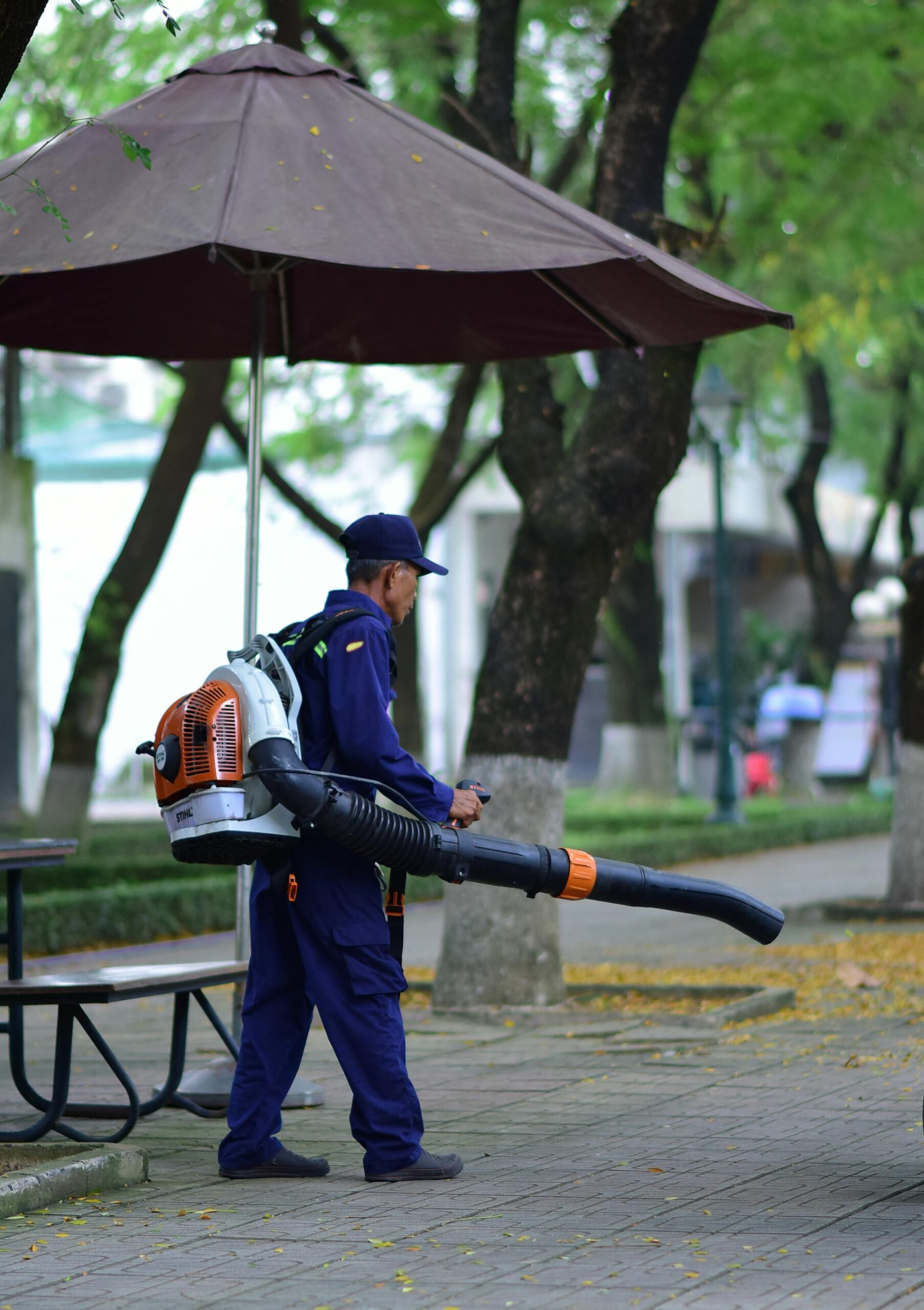
If you’ve ever tried clearing a thick layer of wet leaves with a weak blower, you know the frustration. You spend more time nudging debris than actually moving it.
That’s where the best gas powered leaf blower still earns its place. Even as battery tools improve, gas models remain the go-to choice for large properties, heavy debris, and long run times without recharging.
In this guide, you’ll get a clear checklist for choosing the right model, a comparison of top options, and practical advice on maintenance and long-term ownership. No hype. Just what matters.
At a Glance: What to Look For
Before diving into specific models, here’s a quick decision checklist:
- Engine size: 25cc–80cc depending on yard size
- Air volume (CFM): 400–900+ CFM
- Air speed (MPH): 150–230+ MPH
- Handheld vs backpack: Based on job length and weight tolerance
- Fuel efficiency and tank size: Longer runtime = fewer interruptions
- Noise level: Critical in suburban or HOA-regulated areas
If you want a quick rule of thumb:
- Under ¼ acre → high-end handheld gas blower
- ¼–1 acre → powerful handheld or entry backpack
- 1+ acre or commercial use → professional backpack blower
Why Choose the Best Gas Powered Leaf Blower?
1. Power for Heavy Debris
Gas blowers consistently deliver higher CFM (cubic feet per minute) than most consumer battery models.
For example:
- A pro-level backpack model can exceed 800–900 CFM.
- Many consumer battery blowers fall between 350–600 CFM.
Higher CFM means you can move:
- Wet leaves
- Pine needles embedded in grass
- Small twigs and light gravel
If you live in a wooded area or deal with seasonal storms, this difference matters.
2. Unlimited Runtime (With Fuel)
Battery tools have improved, but runtime is still a constraint. A typical high-power battery blower lasts 20–40 minutes at full output.
With gas:
- Refuel in under 2 minutes.
- Continue working without waiting on a recharge.
For larger properties or professional crews, this alone can justify gas.
Handheld vs Backpack: Which Format Makes Sense?
Handheld Gas Blowers
Best for:
- Small to medium yards
- Quick cleanup jobs
- Lighter seasonal maintenance
Pros:
- Lower cost
- Easier storage
- Lighter weight (8–12 lbs typical)
Cons:
- More arm fatigue during longer sessions
- Slightly less maximum airflow than backpack units
Backpack Gas Blowers
Best for:
- Large yards (½ acre and up)
- Frequent use
- Commercial landscaping
Pros:
- Higher CFM and MPH
- Weight distributed across shoulders and back
- More comfort for 30–90 minute sessions
Cons:
- Higher price
- Bulkier storage
- Louder overall output
If ergonomics matter to you, backpack models reduce wrist strain significantly. In our broader guide on sustainable home setups, we discuss how tool ergonomics can reduce long-term fatigue during seasonal yard work.
Top Models to Consider in 2026
Below are widely respected options in the gas category.
1. Husqvarna 350BT
- 50.2cc engine
- ~692 CFM
- ~180 MPH
- X-Torq engine for improved fuel efficiency
Why it stands out:
A strong balance between power and price. Suitable for homeowners with medium-to-large properties.
Best for:
1-acre properties with moderate debris.
2. Echo PB-580T
- 58.2cc engine
- ~517 CFM
- ~216 MPH
Why it stands out:
Excellent throttle response and durable commercial-grade build quality.
Best for:
Homeowners who want near-commercial reliability without jumping to top-tier pro pricing.
3. Stihl BR 600
- 64.8cc engine
- ~677 CFM
- ~238 MPH
Why it stands out:
One of the most powerful homeowner-accessible backpack blowers available. Designed for serious debris management.
Best for:
Large properties, heavy fall cleanup, and semi-professional use.
4. Husqvarna 125B
- 28cc engine
- ~470 CFM
- ~170 MPH
Why it stands out:
Lightweight, affordable, and easy to maneuver.
Best for:
Smaller yards and routine driveway or patio cleanup.
How to Match Specs to Your Yard
Here’s a practical framework you can use.
Step 1: Measure Your Property
- Under 10,000 sq ft → handheld is usually sufficient
- 10,000–30,000 sq ft → strong handheld or entry backpack
- 30,000+ sq ft → backpack recommended
If you’re unsure, estimate mowing time:
- Under 20 minutes mowing → handheld blower
- 20–45 minutes → borderline; consider comfort
- 45+ minutes → backpack likely worth it
Step 2: Consider Debris Type
Light debris:
- Dry leaves
- Dust
- Grass clippings
Heavy debris:
- Wet leaves
- Pinecones
- Small sticks
Heavy debris demands higher CFM more than higher MPH. Many buyers focus on MPH, but airflow volume (CFM) typically determines real-world effectiveness.
Cost Breakdown: What to Budget
Typical 2026 pricing:
- Handheld gas blowers: $120–$250
- Mid-range backpack: $250–$400
- Professional backpack: $400–$600+
Operating costs:
- 2-cycle oil
- Gasoline
- Spark plug replacement annually
- Air filter cleaning/replacement
Compared to battery systems (which may require multiple batteries), gas models can be more cost-effective long term for high-usage owners.
If you’re building a practical home equipment budget, consider grouping tools by seasonal usage — a strategy we outline in our home maintenance planning checklist.
Noise and Regulations: What to Check First
Gas blowers are louder than electric models. Some municipalities restrict use by:
- Time of day
- Decibel limits
- Seasonal bans
Before buying, check:
- HOA rules
- Local municipal codes
In certain urban areas, electric tools may be required. Always verify before investing.
Maintenance Checklist (Save This)
To keep your blower running smoothly:
- Use fresh fuel (no older than 30 days if possible)
- Mix fuel at the correct oil ratio
- Clean air filter every 5–10 uses
- Inspect spark plug annually
- Drain fuel before winter storage
A 10-minute maintenance routine can extend engine life by years.
Mini Case Scenarios
Scenario 1: Suburban Homeowner (¼ Acre)
You mow weekly and clear leaves twice per month in fall.
Best fit: High-quality handheld gas blower around 450–500 CFM.
Scenario 2: Rural Property (1.5 Acres)
You deal with trees, long driveways, and seasonal storms.
Best fit: 600+ CFM backpack model for faster, less exhausting cleanup.
Scenario 3: Side-Hustle Landscaper
You’re maintaining 3–5 properties per day.
Best fit: Commercial-grade backpack unit with durability and easy maintenance access.
If you’re exploring practical side-hustle setups, tool reliability becomes part of your profit margin strategy.
Environmental and Practical Tradeoffs
Gas blowers:
- Emit exhaust
- Require fuel mixing
- Are louder
But they:
- Offer unmatched sustained power
- Don’t rely on battery replacement cycles
- Perform consistently in cold weather
For some households, electric makes more sense. For others, especially larger properties, the best gas powered leaf blower remains the most practical option.
Conclusion: Choosing the Best Gas Powered Leaf Blower for You
The best gas powered leaf blower isn’t about brand loyalty. It’s about matching:
- Yard size
- Debris type
- Comfort needs
- Budget
If you want simple and affordable, go handheld.
If you want efficiency and less fatigue, go backpack.
If you want commercial durability, step into higher-cc models.
Next steps:
- Measure your property and estimate cleanup time.
- Decide handheld vs backpack first — then compare specs.
- Check local noise regulations before purchasing.
- Plan basic maintenance from day one.
Use this checklist as a template for your next equipment decision. And if you’re building a more efficient home workflow, explore related guides on ForwardCurrents to streamline your seasonal routines.