

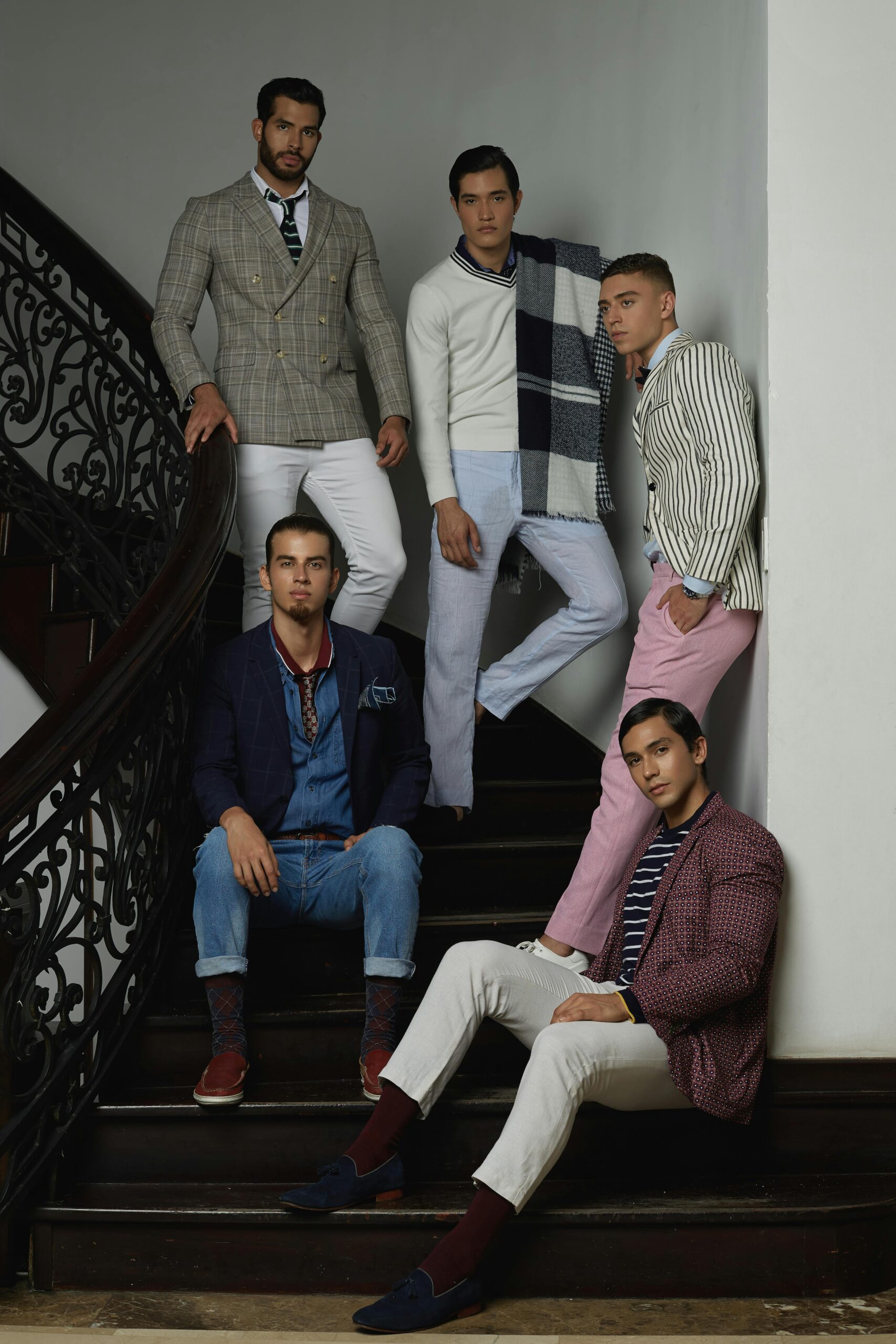
Introduction
You open your wardrobe before work, a wedding, or a casual meetup—and everything feels slightly off. The clothes are fine. The problem is they don’t feel like a system. That’s where understanding mens fashion as a set of style frameworks—not random trends—makes life easier.
Right now, mens fashion is shifting toward personalization, comfort, and long-term wardrobe planning. The global menswear market continues to grow steadily, with revenue exceeding roughly $590 billion in 2025 and projected ongoing expansion over the next decade.
This article gives you a practical checklist: core styles to understand, when to use each, and how to build outfits without overthinking every morning.
Mens Fashion Styles at a Glance (Checklist)
If you want a simple starting point:
- Casual / Streetwear → Everyday comfort + personality
- Smart Casual → Work + social flexibility
- Business / Formal → Authority + structure
- Minimalist / Capsule → Low effort, high consistency
- Athleisure → Function + modern lifestyle
- Classic / Heritage → Timeless, long-term investment
Most men end up blending 2–3 of these rather than choosing only one.
Why Mens Fashion Matters More Today
Mens fashion isn’t just about appearance anymore—it’s tied to identity, digital culture, and lifestyle flexibility.
- Casualwear now dominates nearly half of menswear demand globally.
- Trends are shifting toward quality, practicality, and expressive basics instead of fast seasonal cycles.
- Newer wardrobes mix comfort (like relaxed tailoring) with structure (like fitted trousers).
This explains why many men today own both tailored pieces and relaxed streetwear.
Core Mens Fashion Styles Explained (With Practical Use Cases)
1. Casual / Streetwear Style
Popularized by brands like Nike and Adidas, this style focuses on comfort, sneakers, and relaxed silhouettes.
Key Pieces
- Graphic tees or clean basics
- Relaxed denim or cargos
- Sneakers
When to Use
- Daily errands
- Travel
- Social hangouts
Example Outfit
- White tee + relaxed jeans + white sneakers + lightweight overshirt
Checklist
- Keep colors simple first (black, white, navy)
- Add one statement piece max
2. Smart Casual Style
The most useful style for modern professionals.
Key Pieces
- Oxford shirt
- Chinos or tailored trousers
- Clean leather sneakers or loafers
When to Use
- Office environments
- Dates
- Networking events
Mini Case Example
A remote worker meeting clients twice a week could build:
- 3 neutral shirts
- 2 trousers
- 1 blazer
→ 10–15 outfit combos easily.
3. Business / Formal Style
Still essential—especially with the return of in-person work and events.
Brands like Levi Strauss & Co. influence casual tailoring, while luxury houses like Gucci push high-end formal direction.
Key Pieces
- Structured blazer or suit
- Dress shirt
- Leather shoes
When to Use
- Corporate roles
- Weddings
- Formal presentations
Market Insight
Demand for tailored and slim-fit suits continues growing due to events, weddings, and office revival trends.
4. Minimalist / Capsule Wardrobe Style
This is less about trends and more about efficiency.
Recent fashion shifts emphasize fewer, better pieces rather than constant wardrobe turnover.
Key Pieces
- Neutral t-shirts
- Straight-leg jeans
- Clean sneakers
- One versatile jacket
Real-Life Template (10 Items = 30+ Outfits)
1 jacket
3 shirts
2 trousers
1 jeans
1 blazer
2 shoes
5. Athleisure Style
Blends performance and everyday wear.
Key Pieces
- Performance joggers
- Technical hoodies
- Lifestyle trainers
Why It Works
Modern lifestyles mix commuting, gym, and remote work—athleisure matches this hybrid routine.
Casual and sports-influenced clothing already dominates a major portion of global menswear demand.
6. Classic / Heritage Style
Focuses on durability and timeless appeal.
Key Pieces
- Wool coats
- Raw denim
- Leather boots
Best For
- Long-term wardrobe investment
- Colder climates
- Professional but relaxed environments
How to Choose Your Primary Style (Decision Framework)
Ask yourself:
1. Lifestyle
- Office daily → Smart casual + formal
- Remote / creative → Casual + minimalist
- Active lifestyle → Athleisure + casual
2. Climate
Hot climates → Linen shirts, light cotton
Cold climates → Layered tailoring, wool outerwear
3. Personal Comfort Level
If you hate ironing → Casual + athleisure
If you like structure → Smart casual + classic
Sample Mens Fashion Weekly Rotation Template
Monday (Work Meeting)
Smart casual → Shirt + chinos + loafers
Wednesday (Hybrid / Remote)
Minimalist → Tee + straight jeans + sneakers
Friday (Social Evening)
Streetwear → Overshirt + dark denim + trainers
Weekend
Athleisure → Joggers + hoodie + trainers
Common Mens Fashion Mistakes (And Fixes)
Mistake 1: Buying Only Trends
Fix → 70% basics, 30% trend pieces
Mistake 2: Ignoring Fit
Fix → Tailoring makes mid-range clothes look premium
Mistake 3: Too Many Colors
Fix → Start with 3 core neutrals
Mistake 4: No Style Direction
Fix → Pick 2 main styles max
Where Mens Fashion Is Heading Next
Emerging themes:
- Personal expression over strict trends
- Comfort + tailoring hybrid
- Sustainability focus
- Tech-influenced fabrics and design
Runway and industry forecasts show movement toward versatile wardrobe staples and refined casual pieces rather than extreme fashion cycles.
Conclusion: Building a Mens Fashion System That Works
The smartest approach to mens fashion isn’t chasing trends—it’s building a repeatable style system that fits your lifestyle, climate, and comfort level.
Start with this 3-step action plan:
- Choose two core styles from this checklist
- Build a 10–15 item capsule wardrobe
- Add seasonal or trend pieces slowly
Use this as a template to experiment over the next two weeks. Try one new style combination each week and track what actually feels natural.
Explore related guides on ForwardCurrents to go deeper into personal style systems, minimalist wardrobes, and modern lifestyle optimization.


Pingback: Short Cut Style for Women: 15 Chic, Low-Maintenance Ideas