
Introduction
Everyday purchases add up. From cleaning supplies to food packaging, the products we use daily shape our environmental footprint in ways most people rarely think about.
That’s why eco-friendly products have moved from niche lifestyle choices to mainstream consumer decisions. As climate concerns grow and waste becomes harder to ignore, more people are looking for practical ways to reduce their impact without completely changing their lives.
The good news is that switching to sustainable alternatives doesn’t require perfection. Small, consistent product choices can significantly reduce plastic waste, energy consumption, and harmful chemicals over time.
In this guide, you’ll find a practical checklist of eco-friendly products, how they work, and where they fit into everyday routines. The goal isn’t to overhaul your lifestyle overnight—it’s to help you make smarter, more sustainable choices step by step.
Eco-Friendly Products at a Glance
If you’re just starting, focus on the product categories that generate the most waste in most households:
Quick checklist of high-impact eco-friendly products:
- Reusable shopping bags
- Stainless steel water bottles
- Bamboo toothbrushes
- Refillable cleaning products
- Reusable food storage wraps
- Compostable trash bags
- Energy-efficient LED lighting
- Refillable personal care products
These swaps target single-use plastics, packaging waste, and energy consumption, which are among the biggest contributors to household environmental impact.
According to the United Nations Environment Programme, the world produces over 400 million tons of plastic waste each year, much of it from single-use products. Reducing even a small portion of that through product choices can make a meaningful difference.
Why Eco-Friendly Products Matter More Than Ever
Environmental impact
Traditional consumer products often rely on:
- Single-use plastic packaging
- Non-biodegradable materials
- Energy-intensive manufacturing
Eco-friendly alternatives aim to reduce these impacts by focusing on:
- Reusability
- Recyclable or compostable materials
- Lower carbon production processes
Many sustainable products also prioritize durability, meaning you buy fewer replacements over time.
Health and home benefits
Some eco-friendly products reduce exposure to harsh chemicals. For example:
- Natural cleaning products often avoid chlorine and synthetic fragrances.
- Sustainable personal care products frequently use simpler ingredient lists.
While these benefits vary by brand, many people find that sustainable products create cleaner, less chemically intense home environments.
Long-term cost savings
Some sustainable swaps reduce recurring costs.
Examples include:
- Reusable bottles instead of disposable plastic water bottles
- Cloth towels replacing paper towels
- Rechargeable batteries replacing disposable ones
Over time, these changes can reduce both waste and spending.
A Practical Checklist of Eco-Friendly Products
Instead of trying to replace everything at once, focus on categories that create the most waste in your daily life.
1. Reusable Shopping Bags
Plastic grocery bags are used for minutes but can persist in the environment for hundreds of years.
Eco-friendly alternatives include:
- Cotton tote bags
- Recycled-fabric grocery bags
- Foldable reusable bags kept in backpacks or cars
Practical tip:
Keep two or three reusable bags in your car or everyday bag so you never forget them during quick store visits.
2. Stainless Steel or Glass Water Bottles
Disposable water bottles are one of the most common forms of plastic waste.
Reusable bottles offer several advantages:
- Durability
- Reduced plastic waste
- Temperature insulation (for hot or cold drinks)
Many insulated bottles keep beverages cold for 12–24 hours, making them practical for commuting, travel, or work.
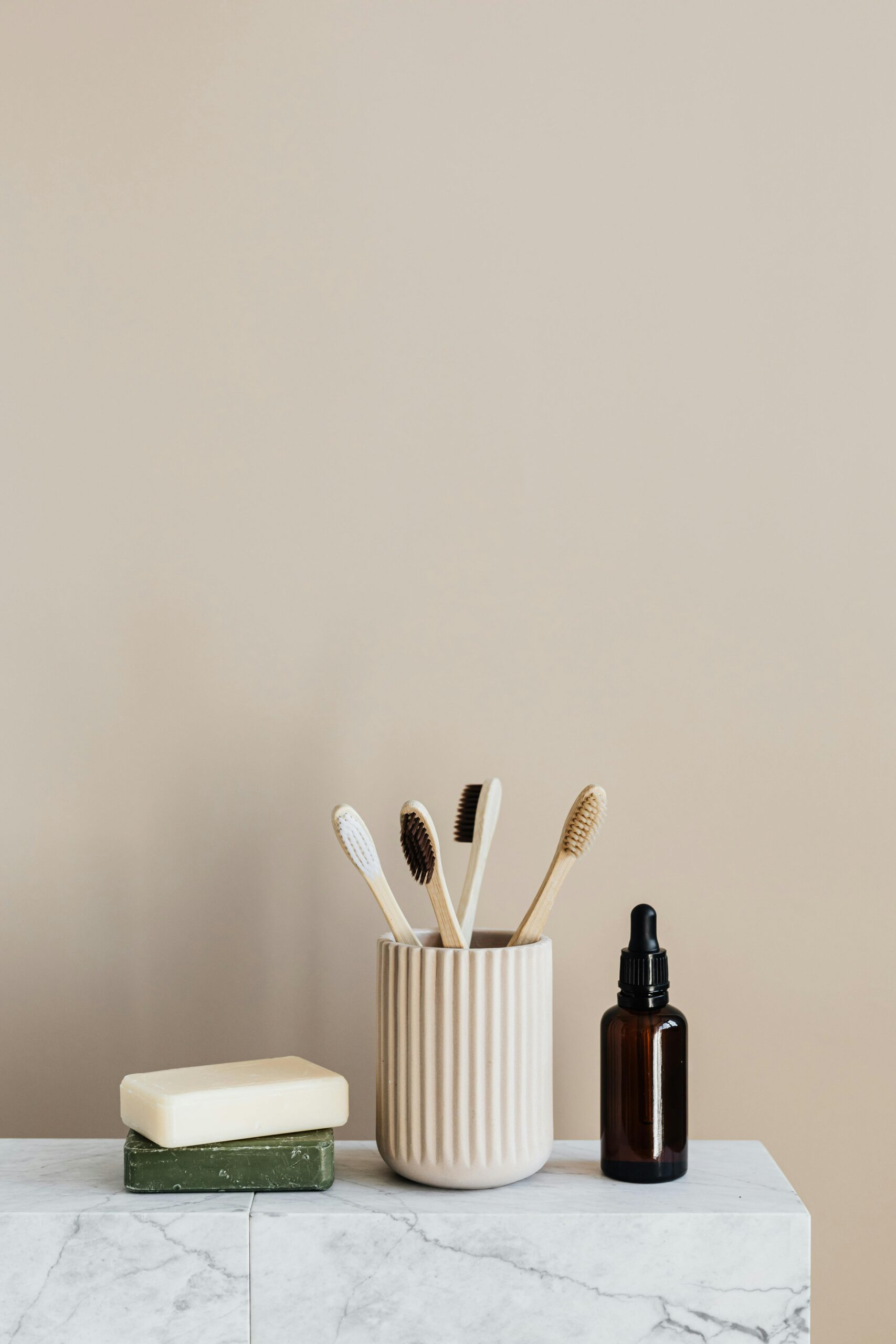
3. Bamboo Toothbrushes
Traditional toothbrushes are typically made from plastic and rarely recycled.
Bamboo toothbrushes offer a biodegradable alternative:
- Handles made from natural bamboo
- Often packaged in recyclable cardboard
- Similar cost to standard toothbrushes
Small swaps like this can prevent dozens of plastic items per person from entering landfills over time.
4. Refillable Cleaning Products
Cleaning supplies generate large amounts of plastic packaging.
Many sustainable brands now offer:
- Refill concentrates
- Reusable spray bottles
- Dissolvable cleaning tablets
Instead of buying new plastic bottles every month, you simply refill the same container with water and concentrate.
If you’re exploring broader sustainable household systems, a sustainable home setup checklist can help identify other waste-reduction opportunities.
5. Reusable Food Storage Alternatives
Food packaging waste is a major contributor to household trash.
Eco-friendly alternatives include:
- Beeswax wraps
- Silicone food storage bags
- Glass food containers
- Stainless steel lunch boxes
These products replace single-use items like plastic wrap and disposable sandwich bags.
6. Compostable Trash Bags
Organic waste makes up a large portion of household garbage.
Compostable trash bags are designed to break down under composting conditions, reducing long-term landfill waste.
They are particularly useful if you:
- Compost food scraps
- Separate organic waste
- Maintain a small kitchen compost bin
For households exploring sustainable food systems, a beginner’s guide to reducing kitchen waste can be a helpful next step.
7. Energy-Efficient LED Lighting
Lighting upgrades are one of the simplest eco-friendly home improvements.
LED bulbs:
- Use up to 75% less energy than traditional incandescent bulbs
- Last significantly longer
- Reduce electricity bills
According to the International Energy Agency, widespread LED adoption could significantly cut global electricity demand for lighting.
8. Refillable Personal Care Products
Bathroom products are another major source of packaging waste.
More brands now offer refill systems for:
- Shampoo and conditioner
- Body wash
- Hand soap
- Skincare products
Many companies ship refill pouches or concentrates that use far less plastic than traditional bottles.
How to Choose the Right Eco-Friendly Products
Not every product labeled “green” is automatically sustainable. When evaluating options, consider three factors.
1. Durability
A reusable item only reduces waste if it lasts.
Look for products designed for long-term use rather than disposable replacements.
2. Material sourcing
Common sustainable materials include:
- Bamboo
- Stainless steel
- Glass
- Organic cotton
- Recycled plastics
These materials typically have lower environmental impact compared to single-use plastic.
3. Packaging
Ironically, some eco-friendly products still come with heavy packaging.
Whenever possible, choose brands that use:
- Minimal packaging
- Recyclable materials
- Compostable packaging
If you’re building a broader sustainable lifestyle, our guide to sustainable living habits that actually stick explores how product choices connect with everyday routines.
A Simple 30-Day Eco-Friendly Product Experiment
One of the easiest ways to transition toward sustainability is through small experiments.
Try this simple framework:
Week 1: Kitchen swaps
- Reusable grocery bags
- Glass food storage
- Refillable dish soap
Week 2: Bathroom swaps
- Bamboo toothbrush
- Refillable soap
- Reusable cotton rounds
Week 3: Cleaning and home
- Refillable cleaning spray
- Compost bin with compostable bags
Week 4: Energy and daily carry
- LED bulbs
- Reusable water bottle
- Reusable coffee cup
By the end of the month, you’ll have replaced several common waste sources without overwhelming your routine.
Conclusion: Small Product Choices Create Real Impact
Switching to eco-friendly products isn’t about achieving perfect sustainability. It’s about gradually replacing high-waste items with smarter alternatives.
Reusable bags, refillable cleaners, durable water bottles, and energy-efficient lighting are simple changes that can significantly reduce household waste and resource consumption over time.
If you want to get started, try these next steps:
- Choose three products from the checklist to switch this month.
- Track how often you avoid single-use items.
- Replace products gradually as existing items run out.
Use this checklist as a starting point for experimenting with more sustainable habits. Over time, small choices add up to meaningful environmental progress.
You can also explore related guides on ForwardCurrents to dive deeper into sustainable living strategies and practical low-waste systems.


Pingback: 15 Home Decor Ideas to Refresh Your Space