

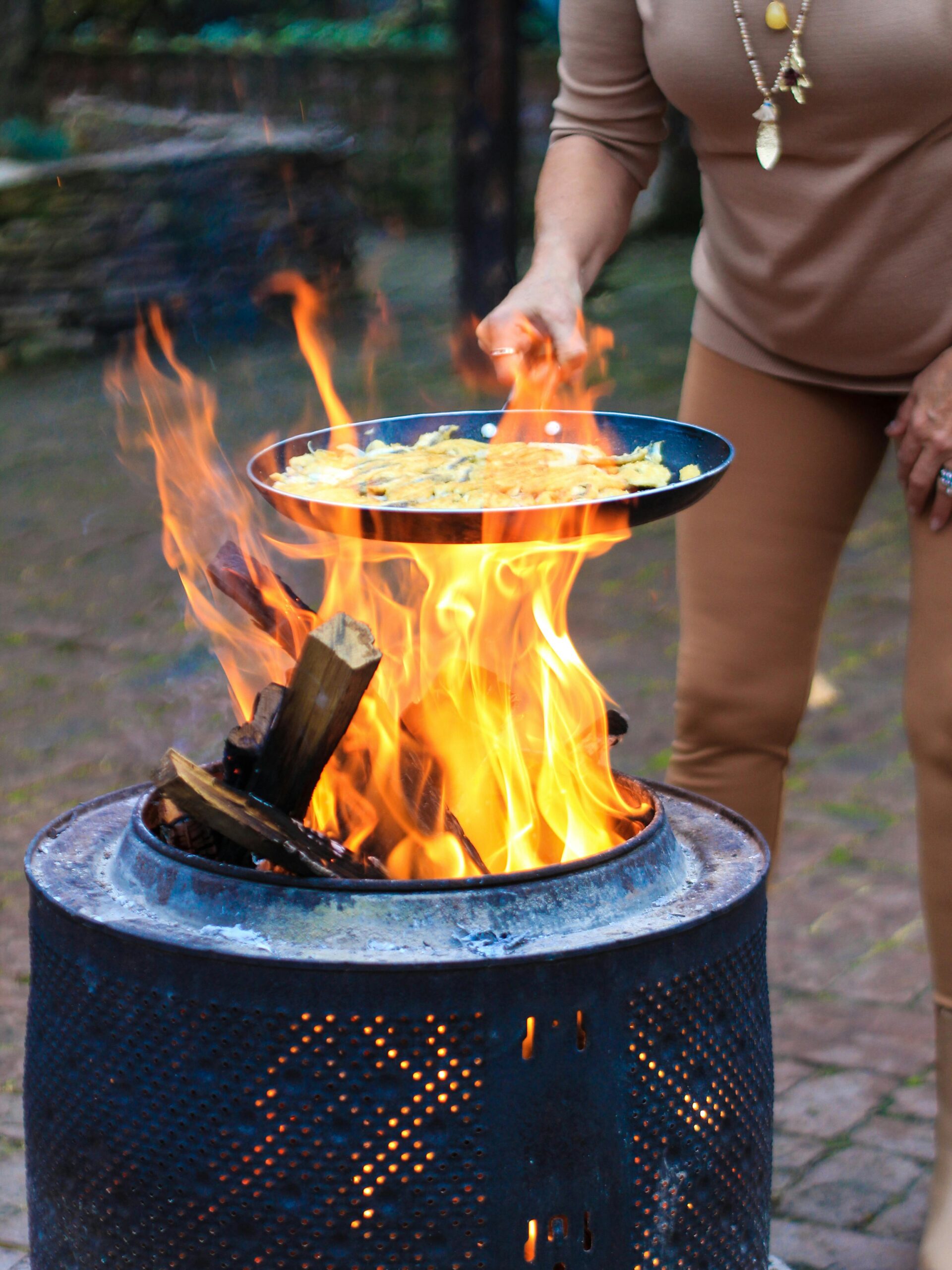
A portable firepit sounds simple—until you try to buy one.
You want something compact, safe, and easy to carry. But you’re quickly faced with trade-offs: propane vs. wood, smokeless vs. traditional, foldable legs vs. fixed base, 10 pounds vs. 40 pounds. And if you get it wrong, you end up with something too heavy for camping or too small for your backyard.
Portable outdoor gear has evolved fast in the past few years, especially as more people spend time camping, road-tripping, and upgrading small outdoor spaces. A portable firepit is no longer just a metal bowl—it’s a design decision.
This guide gives you a clear checklist to choose the right one for your needs. You’ll learn how to evaluate fuel types, size, safety, portability, and real-world scenarios so you can buy once and use it for years.
Portable Firepit at a Glance: Key Takeaways
- Choose propane for convenience and low smoke. Choose wood for traditional feel and higher heat.
- Keep total weight under 20–25 pounds if you plan to carry it to campsites.
- For patios and small spaces, look for a diameter between 15–20 inches.
- Prioritize spark screens, stable bases, and heat shields for safety.
- Don’t overlook storage: foldable legs and included carry bags make a big difference.
Step 1: Define Your Primary Use Case
Before comparing features, answer this question:
Where will you use your portable firepit 80% of the time?
1. Camping and Road Trips
If you’re packing it into a car, space and weight matter more than raw heat output.
Look for:
- Under 25 pounds total weight
- Foldable or detachable legs
- Carry case included
- Quick setup (under 5 minutes)
Example:
A couple doing weekend camping trips every month chooses a 19-inch propane firepit weighing 22 pounds. It runs off a standard 5 lb propane tank, lights with a push-button ignition, and doesn’t leave ash behind. Setup time: 2 minutes.
Why it works: predictable, clean, and campsite-friendly—especially in areas with wood restrictions.
2. Backyard or Patio Use
If it’s mostly staying at home, stability and heat output matter more than ultra-light portability.
Look for:
- Heavier steel or cast iron construction
- Wider bowl (20–24 inches)
- Spark screen and poker included
- Strong heat dispersion
Example:
A homeowner with a small patio chooses a smokeless steel firepit around 21 inches wide. It stays in one place but can be moved if needed. The smokeless design reduces complaints from neighbors.
If you’re building a low-maintenance outdoor setup, this pairs well with ideas from a sustainable home checklist or outdoor living guide.
3. Beach or Tailgating
Now portability becomes critical again.
Look for:
- Lightweight aluminum or thin steel
- Propane system (no loose embers)
- Wind guard options
Wood-burning pits are often restricted on beaches. Always check local regulations.
Step 2: Choose the Right Fuel Type
Fuel choice shapes everything: cost, cleanup, heat, and experience.
Wood-Burning Portable Firepit
Pros
- Classic crackle and smell
- High heat output
- No propane tanks needed
Cons
- Smoke and ash
- Requires wood storage
- Not allowed in some parks or during fire bans
Best for: Traditionalists who enjoy tending a fire and want strong radiant heat.
Propane Portable Firepit
Pros
- Instant ignition
- Low smoke
- Easy shutdown
- Cleaner transport
Cons
- Ongoing propane cost
- Less “campfire” feel
- Slightly lower heat intensity
Best for: Frequent campers, small patios, and areas with strict fire regulations.
According to outdoor recreation industry reports over the last few years, interest in propane outdoor gear has grown steadily as consumers prioritize convenience and lower smoke emissions. That trend shows up clearly in portable firepit reviews and product launches.
Smokeless Designs
Smokeless models use double-wall airflow systems to burn fuel more efficiently.
They:
- Reduce visible smoke
- Burn wood more completely
- Produce less lingering odor
They’re typically more expensive but worth considering if you’re in close quarters or have neighbors nearby.
Step 3: Get the Size and Weight Right
Size mistakes are common.
Too small → Underwhelming heat.
Too large → Hard to transport and store.
General Size Guidelines
- Under 15 inches: Ultra-compact. Best for 1–2 people.
- 15–20 inches: Ideal for 2–4 people.
- 20–24 inches: Comfortable for 4–6 people.
For portability, aim for:
- 15–25 pounds for frequent transport
- 25–40 pounds if mostly stationary
Mini Case Study:
One buyer chose a 28-inch steel firepit because it looked impressive online. At 48 pounds, it rarely left the patio. After one camping attempt, they switched to a 19-inch foldable model that weighed 21 pounds. Usage frequency increased significantly because friction decreased.
The lesson: convenience increases use.
Step 4: Check Safety and Stability Features
A portable firepit concentrates heat in a small footprint. Stability matters.
Look for:
- Wide base or tripod design to prevent tipping
- Spark screen for wood models
- Heat shield or raised bottom to protect grass and decking
- Cool-touch handles
If using on a deck, always place a fireproof mat underneath. Even propane models radiate significant heat downward.
If you’re developing a broader outdoor safety checklist for your home or campsite, this is a core item to include.
Step 5: Think About Setup and Cleanup
A portable firepit should reduce effort, not create more.
Ask:
- How long does assembly take?
- Does it require tools?
- How do you remove ash?
- Is there a drainage hole for rain?
Cleanup Comparison
Wood Models
- Wait for full cool-down (several hours)
- Dispose of ash safely
- Wipe soot residue
Propane Models
- Turn off tank
- Disconnect hose
- Wipe exterior
If you value low-maintenance gear—similar to choosing minimalist travel equipment—propane often wins.
Step 6: Budget Realistically
Portable firepit pricing usually falls into three tiers:
- $50–$120: Basic steel bowls, entry-level propane units
- $120–$300: Smokeless designs, better materials, improved airflow
- $300+: Premium stainless steel, brand reputation, longer warranties
Higher price typically means:
- Better heat efficiency
- Longer lifespan
- Less rust
But you don’t need premium if you’re a casual, occasional user.
Step 7: Use a Simple Decision Checklist
Before buying, confirm:
- ✔ I know where I’ll use it most
- ✔ I’ve checked local fire regulations
- ✔ The weight matches how often I’ll carry it
- ✔ The size matches my group size
- ✔ It includes safety features I need
- ✔ Storage space is available
If you enjoy using templates and checklists for decisions—like in a sustainable travel checklist or gear planning guide—this approach saves time and prevents regret.
Sample Buying Scenarios
Scenario 1: The Weekend Camper
- Travels twice a month
- Drives a compact car
- Camps in regulated parks
Best fit: 18–20 inch propane portable firepit under 25 pounds.
Scenario 2: The Urban Patio Owner
- Small backyard
- Close neighbors
- Hosts small gatherings
Best fit: Smokeless wood-burning unit around 20–22 inches.
Scenario 3: The Occasional Entertainer
- Uses it 3–4 times per year
- Wants visual appeal
- Doesn’t transport often
Best fit: Mid-sized steel wood-burning pit with spark guard.
Common Mistakes to Avoid
- Buying based on appearance alone
- Ignoring total weight (including propane tank)
- Skipping local regulation checks
- Underestimating storage needs
- Forgetting heat protection for decking or grass
Final Thoughts: Buy for Frequency, Not Fantasy
A portable firepit is one of those purchases where lifestyle clarity matters more than features.
The right choice is not the biggest flame or the flashiest design. It’s the one you’ll actually use—whether that’s on a mountain campsite, a beach evening, or a compact patio gathering.
If you remember one principle: optimize for how often you’ll carry and set it up. Convenience drives use.